
Home Feng Shui in Singapore
Achieve a Prosperous and Balanced Living Space with Classical Feng Shui in 6-12 Months
No Need For Expensive Feng Shui Products
As Featured In

Are you facing these signs of bad Feng Shui at home?
Is your home in harmony with your life’s aspirations, or is it silently sabotaging your well-being and success?
When you encounter a sense of stagnation or overwhelm in any area of your life—be it finances, personal relationships, or health—the remedy might just be hidden in the Feng Shui of your living space.
Thus, understanding what exactly is considered bad Feng Shui is the first step to transforming your living space into a sanctuary of positive energy. Whether you’re seeking general guidance from a house Feng Shui master in Singapore or need specific advice on Feng Shui for the master bedroom, addressing these issues can lead to significant improvements in your life.
Well-being Woes
Wealth Hurdles
Relational Discord
Restless Slumber
Security Threats
Homes with poor Feng Shui can attract unwelcome elements, from burglars to paranormal disturbances, compromising your living space’s safety and serenity.
Professional Plateau
Emotional Turbulence
Legal Entanglements
Learning Obstacles
Pervasive Discontent
No matter how long you’ve struggled with these challenges, our Feng Shui for house services are meticulously designed to realign your living space and support your overall well-being, relationships, prosperity, and happiness.
Embark on a journey to prosperity and rejuvenation with our expert Feng Shui audit, whether it’s for your entire house or specifically for the master bedroom. Let our house Feng Shui master in Singapore guide you toward a life of fulfilment and joy.
Why Kevin Foong Consulting Group is the Right Choice for Your Office Feng Shui
1) Explore Our Proven Expertise
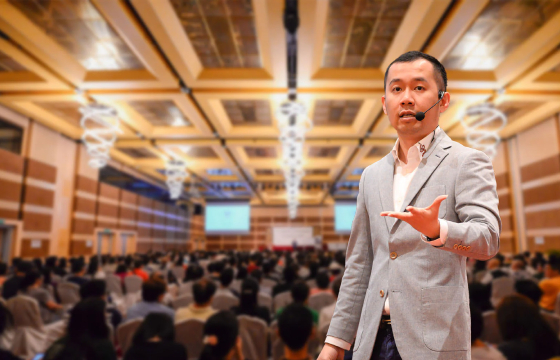
At the core of our Consulting Group is Master Kevin Foong, a globally renowned house Feng Shui master in Singapore with an impressive 20-year track record. His expertise, developed through extensive practice and research, encompasses a wide range of Feng Shui principles and metaphysical disciplines, including San He Landforms and Xuan Kong Da Gua Feng Shui.
As an esteemed mentor, Master Kevin has imparted his profound knowledge to over 1.2 million students and Feng Shui masters across 18 countries, shaping the future of Bazi practice and Feng Shui.

2) We Have Helped Clients From a Variety of Cultural Backgrounds
The essence of Feng Shui is universal, and at Kevin Foong Consulting Group, we celebrate this universality. Our clientele, diverse in ethnicity and nationality, share a common narrative of transformation after incorporating Feng Shui principles in their home.
Classical Feng Shui, as practised by Master Foong, transcends cultural barriers, offering solutions that resonate across a spectrum of cultural backgrounds.This cross-cultural success underscores our belief that Feng Shui’s principles are not just an ancient practice but also adaptable and effective tools for contemporary living, offering solutions that resonate with people from all walks of life.

3) Clients Achieve a Harmonious Environment Regardless of External Factors
Aligning your home with the principles of Feng Shui transforms it. This change is not just in the physical space but in the very essence of daily living. Our Feng Shui for house services consistently lead to newfound harmony, resulting in improvements in family health, strengthened relationships, and increased wealth and opportunities.
The benefits extend into professional realms as well, with career advancements often following. Our Feng Shui for master bedroom ensures quality sleep, heightened creativity, reduced stress, and an overall boost in happiness.
Each home, enhanced by our house Feng Shui master in Singapore, becomes a sanctuary of wellness and prosperity for you and your family.
Our Awards

Our On-Site Feng Shui Assessment for Businesses

Step 1: External Land Form Analysis
Your Feng Shui journey begins with a comprehensive evaluation of the external landform. This essential analysis, which accounts for 60% of your home’s Feng Shui energy, evaluates the eight directional influences surrounding your home.
From nearby roads and rivers to gardens and structural elements, every external factor is meticulously assessed for its impact on long-term Feng Shui prosperity.
Step 2: House Internal Environment Analysis
Next, we turn to the internal environment, which constitutes 40% of your Feng Shui vitality, to understand your home’s short-term energy dynamics.
We first assess and neutralise any negative energy within your residence before closely examining your floor plan, with a particular focus on these key areas:
- Analysis of Main Entrance: Assess the Feng Shui auspiciousness of your home's front door to optimise Qi flow, which is crucial for attracting prosperity and positivity.
- Analysis of Kitchen: Assess the kitchen layout, especially the stove location, to foster good health and nourishment.
- Analysis of Bedroom: Focus on the bedroom arrangement, particularly the bed location, to promote restful sleep and personal harmony.
- Home Office/Study Configuration: Optimise study and home sectors for enhanced focus, productivity, and academic or professional success.
During this step, we will also activate auspicious sectors within the home to attract wealth and career opportunities for the whole household.
Step 3: Detailed Feng Shui Recommendation Report
After our assessment, we will provide a detailed summary of Feng Shui tips and recommendations for aligning your home with the rhythms of prosperity and well-being.
This report will offer you insight in multiple areas, including:- Strategic Planning for Long-Term Feng Shui: Detailed analysis and guidance for maintaining and enhancing the home's Feng Shui over time.
- Auspicious Dates and Sectors: Selection of auspicious dates for key activities like renovations, moving in and groundbreaking.
- Moving-in Process Flow: Ensures that the transition into your newly Feng Shui-aligned home is smooth, auspicious, and harmonises with the best energy flows.
- Focus on Family Harmony and Well-being: Beyond physical space arrangement, our recommendations also aim to promote overall well-being and a harmonious environment among family members.
Transformative Feng Shui: Real Homes, Real Results
Case Study 1: Mr. Kelvin Goh, Financial Service Director
Services Provided: Home Feng Shui audit and Feng Shui house selection.
Results:
- Remarkable turnaround with the conception of their first baby within 2-3 months post-consultation.
- The couple now joyfully parents four children.
- Enhanced family harmony, leading to improved relations with his wife and in-laws, allowing Mr. Goh to focus better on his career.
- Significant career growth, progressing from a financial consultant to a Financial Services Director with 30 consultants under him.
- Expanded his business to offshore markets and offering corporate solutions to large companies.
Case Study 2: Dr. Neo, Medical Doctor Specialist
Problem: Dr. Neo was experiencing a stagnant phase in both personal and professional life.
Services Provided: Name change and home Feng Shui audit.Results:
- The home sold quickly at a favourable price following the Feng Shui setup.
- Notable improvements in sleep quality, overall health, and a significant career progression within months of the consultation.
Case Study 3: Mr. James See, Business Owner & Investor
Problem: Mr. See was facing stagnancy in his life and career, feeling unfulfilled.
Services Provided: Home Feng Shui audit.
Results:
- A marked improvement in his financial situation.
- Enhanced sense of self-fulfilment, noticeable even to friends and acquaintances.
- Gradual increase in energy levels, contentment, and peace over the following months.