
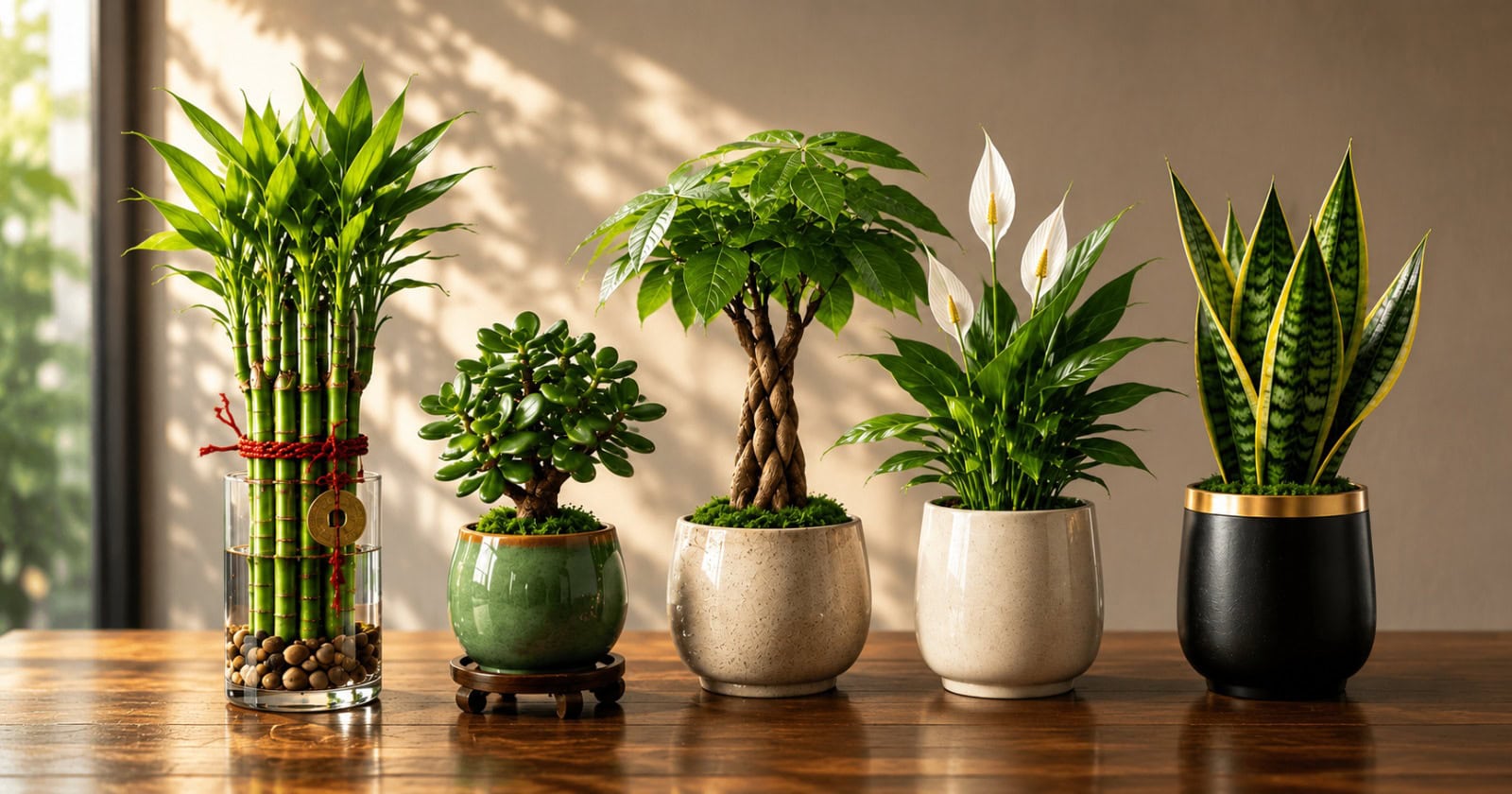
A little greenery can completely change the feel of a room. Beyond adding colour and life to your space, certain plants have long been associated with Feng Shui, a traditional Chinese practice centred around creating balance and harmony in the places where we live and work.
In Feng Shui, healthy, thriving plants are traditionally believed to support the flow of positive energy, or qi. Different plants are associated with different intentions, from prosperity and growth to peace, harmony, and new beginnings. While these meanings are rooted in tradition, many people also appreciate Feng Shui plants simply because they bring nature indoors and make a space feel calmer and more inviting.
10 Best Feng Shui Plants for Homes & Offices in Singapore
1. Money Tree
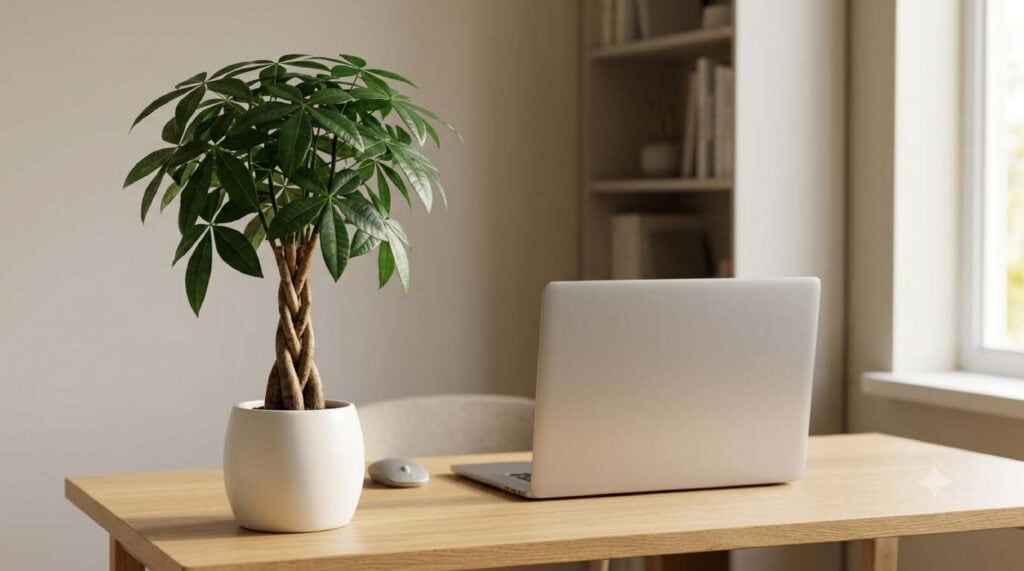
With its braided trunk and glossy green leaves, Money Tree (Pachira aquatica) is a familiar sight in Singapore homes and offices. Its braided trunk is traditionally believed to lock in or hold onto good fortune. It’s traditionally associated with prosperity, growth, and new opportunities, making it a popular choice for people starting a new business or moving into a new home.
- Why it’s popular in Feng Shui: In Feng Shui, the Money Tree symbolises prosperity, abundance and new beginnings.
- Best placement: The southeast corner, a home office, or near the entrance with plenty of bright, indirect light.
2. Lucky Bamboo
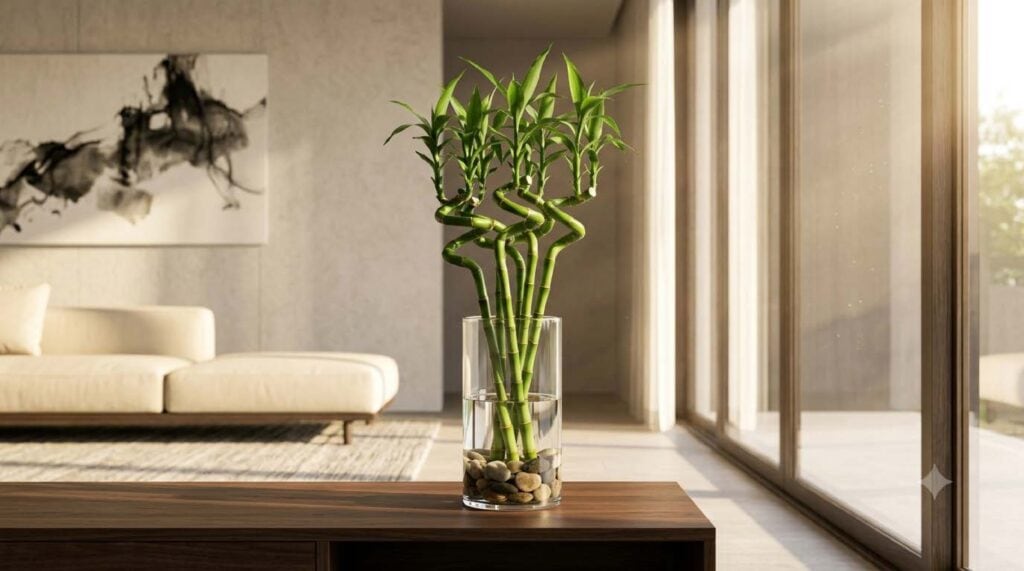
Don’t let the name fool you, Lucky Bamboo (Dracaena sanderiana) isn’t actually bamboo. It’s one of the most popular housewarming gifts and gifts for new businesses in many Asian cultures, and for good reason. Different stalk arrangements are traditionally believed to carry different meanings, making it a thoughtful choice for homes, offices, and special occasions.
- Why it’s popular in Feng Shui: Different stalk arrangements are believed to represent happiness, health and prosperity, just avoid four stalks, which are considered inauspicious.
- Best placement: Place it in the east for health and family, or the southeast to symbolise wealth and abundance.
3. Jade Plant
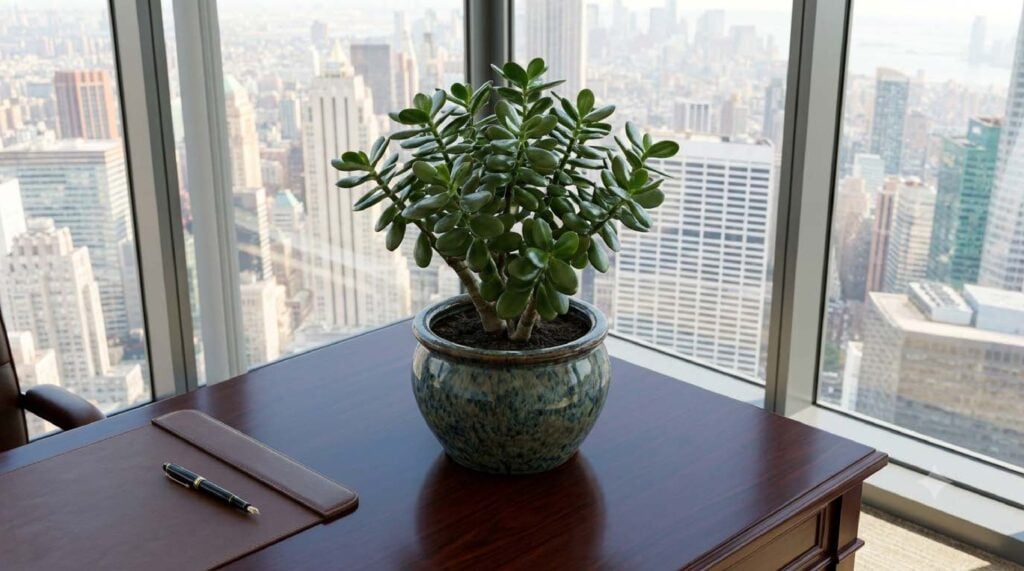
If you’ve ever noticed a Jade Plant (Crassula ovata), chances are its plump, coin-shaped leaves caught your eye first. In Feng Shui, that’s exactly what makes it so popular. The plant has long been associated with prosperity and success, which is why it’s often gifted to new homeowners, business owners, or anyone starting an exciting new chapter. It’s also a common gift during Chinese New Year.
Why it’s popular in Feng Shui: Traditionally associated with prosperity, success, and steady financial growth.
Best placement: Place it near the entrance or in the southeast area of your home or office where it can enjoy plenty of natural light.
4. Peace Lily
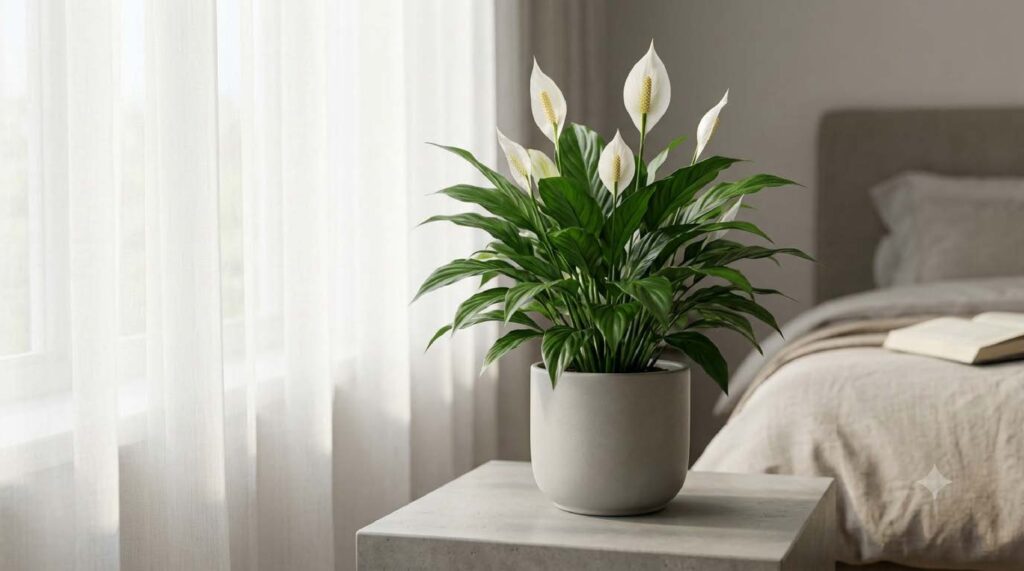
The Peace Lily (Spathiphyllum) has a way of making a room feel a little calmer. With its glossy green leaves and elegant white blooms, it’s a favourite for bedrooms, reading corners, and workspaces alike. In Feng Shui, it’s traditionally associated with peace, harmony, and creating a more balanced atmosphere.
- Why it’s popular in Feng Shui: The Peace Lily is valued for its calming symbolism and balanced energy.Best placement: Place it in a bedroom, living room, or quiet workspace with bright, indirect light.
5. Rubber Plant
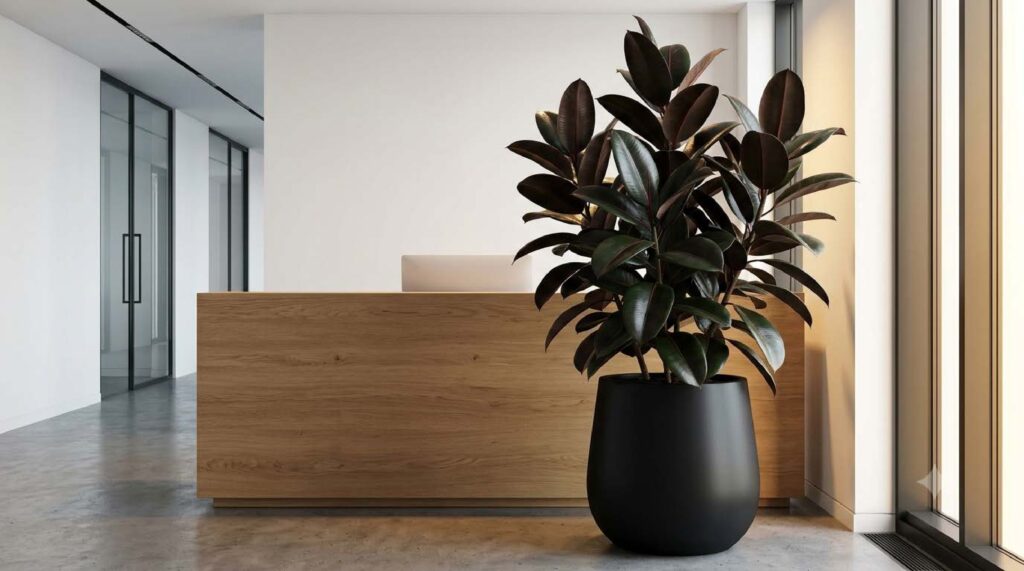
The Rubber Plant (Ficus elastica) is hard to miss with its large, glossy leaves that instantly add character to a room. In Feng Shui, those full, rounded leaves are traditionally associated with abundance and steady growth, making this an easy favourite for both homes and offices. Its glossy leaves make it just as popular with interior designers as it is with Feng Shui enthusiasts.
- Why it’s popular in Feng Shui: Its rounded leaves are often linked with abundance and steady growth.
- Best placement: Place it in the southeast area or a living room corner to soften sharp edges and encourage a balanced flow of energy.
6. Golden Pothos
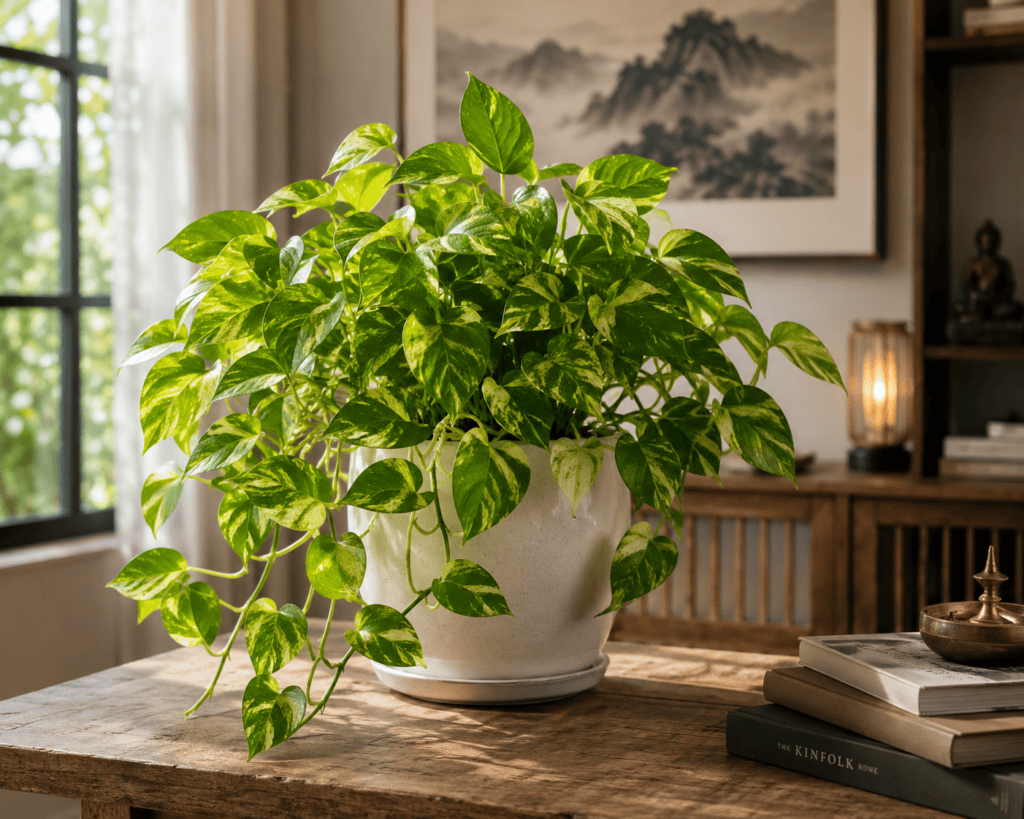
The Golden Pothos (Epipremnum aureum) has a habit of growing wherever you let it, with long trailing vines that spill beautifully from shelves and hanging pots. In Feng Shui, it’s traditionally associated with growth, renewal, and keeping the energy in a space feeling fresh and vibrant. It’s also one of the easiest houseplants to propagate, making it a favourite for beginners.
- Why it’s popular in Feng Shui: Traditionally associated with growth, abundance, and helping to revitalise stagnant qi (energy).
- Best placement: Place it on a high shelf, cabinet, or in the southeast area where its trailing vines can flow naturally.
7. Snake Plant
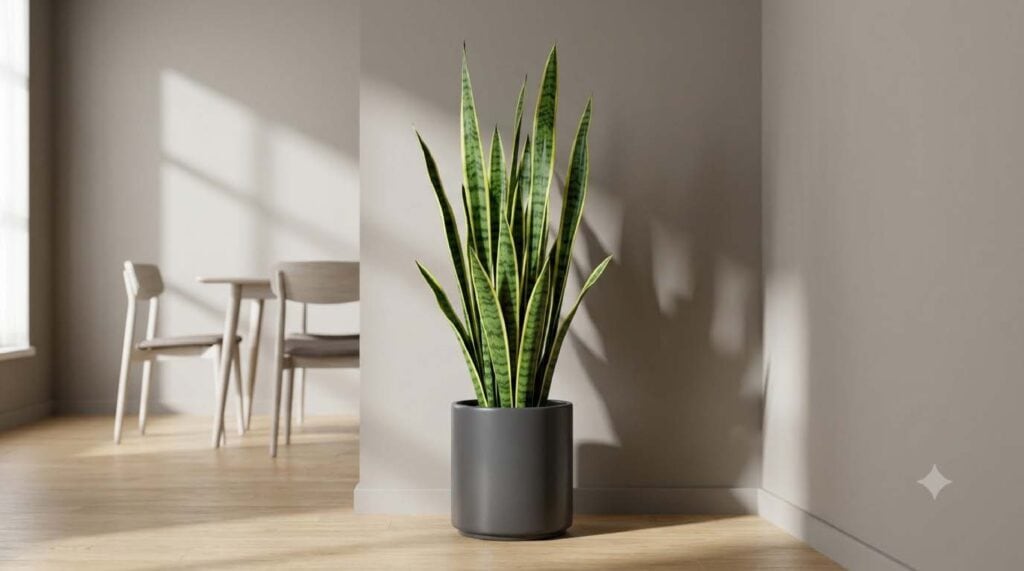
The Snake Plant (Dracaena trifasciata), once widely known as Sansevieria, is one of those plants that’s almost impossible not to love. Its tall, upright leaves add a clean, modern touch to any room, and in Feng Shui, they’re traditionally associated with strength, resilience, and protection. If you’re new to houseplants, this is one of the easiest plants to start with.
- Why it’s popular in Feng Shui: Traditionally associated with protection, resilience, and helping to guard against stagnant or negative energy.
- Best placement: Place it near an entrance, hallway, or workspace where its upright form can complement the flow of the space.
8. Orchid
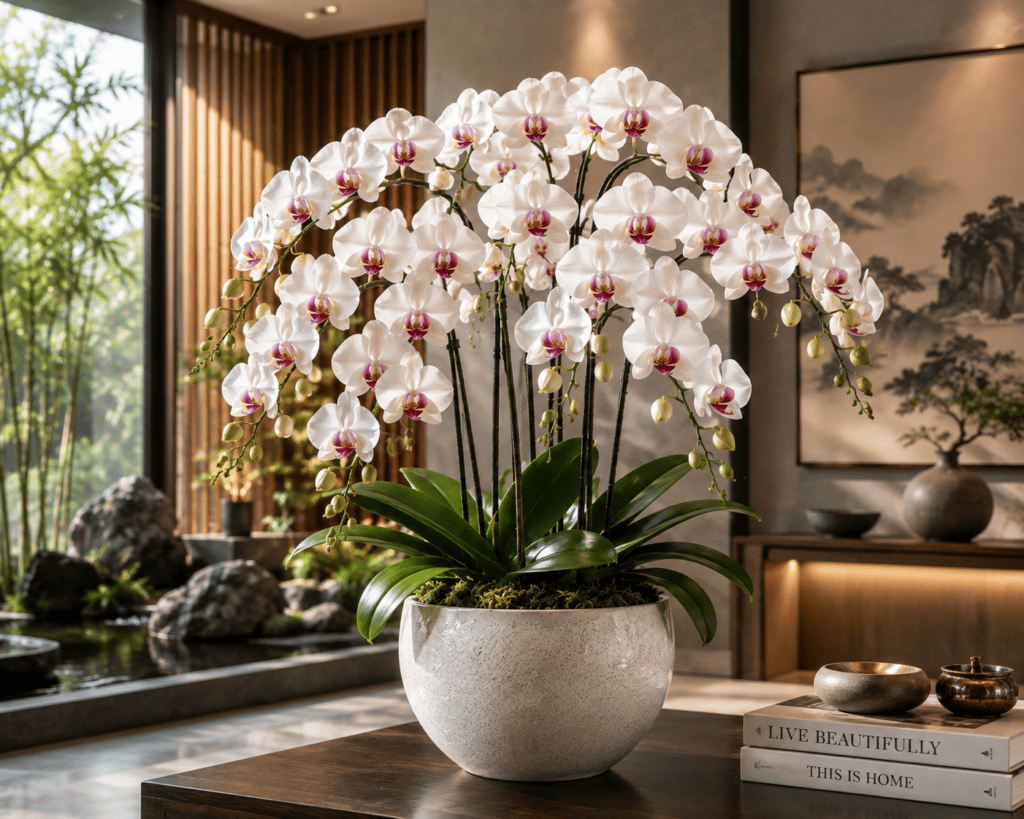
There’s a reason the Orchid (Phalaenopsis) never really goes out of style. Its elegant blooms have long been admired across Asia, and in Feng Shui, it’s traditionally associated with abundance, harmonious relationships, and new beginnings. It’s also a favourite for Singapore homes, thanks to the country’s warm, humid climate.
- Why it’s popular in Feng Shui: Often associated with abundance, harmonious relationships, refinement, and new beginnings.
- Best placement: Place it in the bedroom or living room where it can enjoy bright, indirect light.
9. Citrus Plant (Orange or Kumquat)
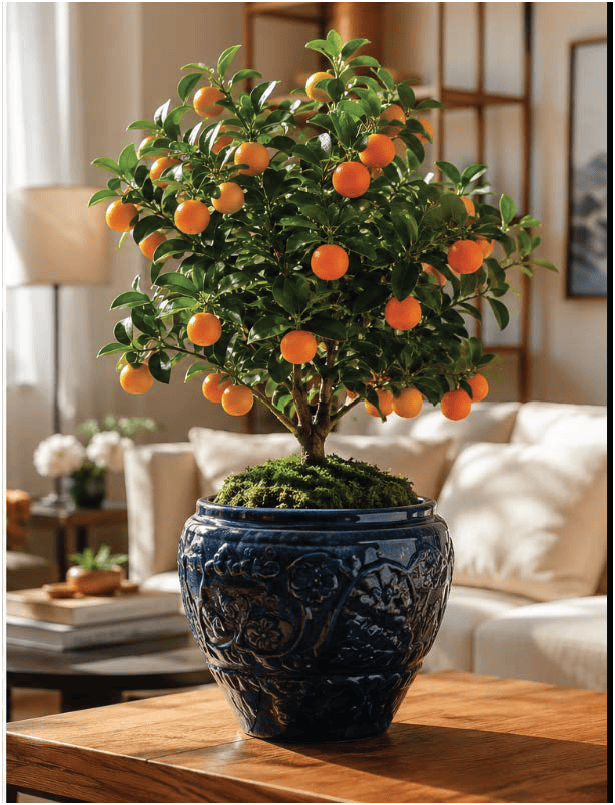
It’s hard not to smile when you see a citrus plant covered in bright orange fruit. In Feng Shui, orange and kumquat trees have long been associated with prosperity, abundance, and good fortune, which is why they’re a familiar sight in many homes and businesses during Lunar New Year.
- Why it’s popular in Feng Shui: Traditionally associated with prosperity, abundance, and welcoming good fortune.
- Best placement: Place it near the entrance, on a sunny balcony, or in the southeast area where it can enjoy plenty of direct sunlight.
10. Areca Palm
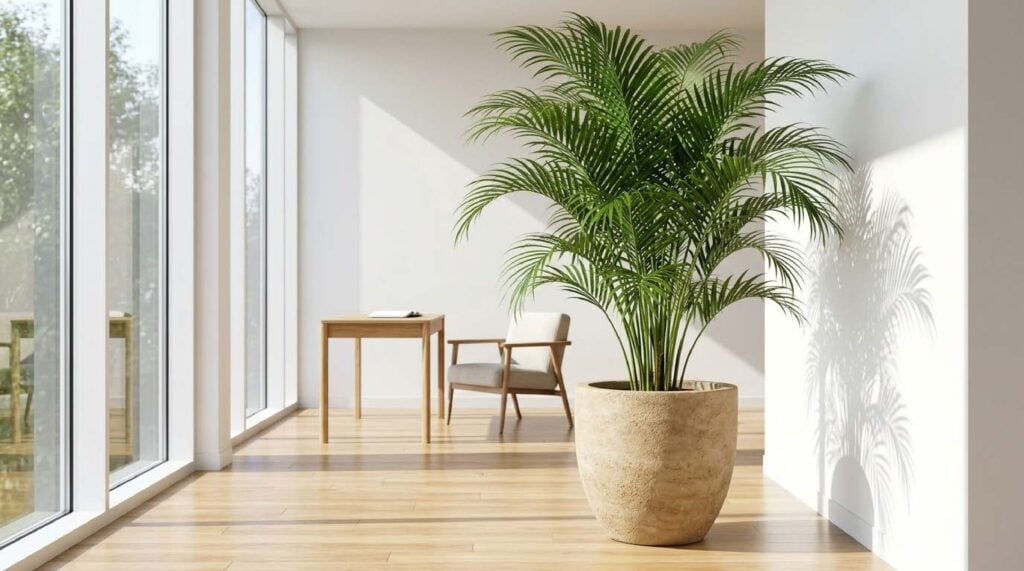
The Areca Palm (Dypsis lutescens) has a way of making any room feel a little more alive. Its soft, feathery fronds bring a gentle touch of greenery indoors, and in Feng Shui, it’s traditionally associated with vitality, growth, and creating a warm, welcoming atmosphere.
- Why it’s popular in Feng Shui: Traditionally associated with vitality, growth, and encouraging a harmonious flow of energy.
- Best placement: Place it near the entrance or in a bright living area with plenty of indirect light.
Common Feng Shui Plant Mistakes to Avoid
Placing Plants Where They Block Entrances or Walkways
It’s tempting to fill every empty corner with greenery, but plants shouldn’t get in the way. In Feng Shui, a clear entrance is traditionally believed to encourage a smooth flow of qi (energy) into your home or office.
Keeping Plants in the Wrong Spot
Not every plant enjoys the same conditions. Before choosing a spot, make sure it gets the right amount of light and has enough room to grow. A healthy plant is always better than one that’s constantly struggling.
Letting Plants Become Unhealthy or Die
In Feng Shui, thriving plants are traditionally associated with growth and vitality. If a plant starts to decline, trim away dead leaves, care for it if possible, or replace it if it can no longer recover.
Overcrowding Your Space with Too Many Plants
More isn’t always better. A handful of healthy, well-placed plants can create a calmer, more balanced space than a room that’s packed with greenery.
Choosing a Plant for Its Meaning Alone
A Money Tree or Orchid might have beautiful symbolism, but as our experienced Feng Shui Master in Singapore will tell you, they’re only one part of a much bigger picture. A healthy, well-placed plant complements a balanced home, but it doesn’t replace good Feng Shui principles.
Forgetting Regular Plant Care
Dusty leaves, dry soil, and neglected plants don’t just affect how they look, they also prevent them from thriving. Regular watering, pruning, and cleaning help keep your plants healthy and your space feeling fresh.
Ignoring the Shape and Growth of the Plant
Different plants create different visual energy. Soft, healthy foliage is generally preferred in Feng Shui, while overgrown, damaged, or neglected plants can make a space feel untidy and unbalanced.
Frequently Asked Questions
1. Which Feng Shui plant is best for attracting prosperity?
There isn’t a single “best” Feng Shui plant. The Money Tree, Jade Plant, and Lucky Bamboo are among the most popular choices because they’re traditionally associated with prosperity, abundance, and steady growth. The right plant ultimately depends on your space and how well you can care for it.
2. Do Feng Shui plants really bring good luck?
In Feng Shui, plants are traditionally believed to symbolise qualities such as prosperity, harmony, and growth. While these associations are rooted in long-standing cultural traditions, many people also enjoy Feng Shui plants for the beauty, freshness, and sense of calm they bring to a space.
3. Which plant is considered the luckiest in Feng Shui?
Lucky Bamboo is one of the most recognizable Feng Shui plants and is traditionally associated with good fortune and harmony. Other popular choices include the Money tree for prosperity, Jade Plant for abundance, Snake Plant for protection, and Orchid for harmonious relationships.
4. Where should I place Feng Shui plants at home?
Placement depends on the type of plant and your home’s layout. Beyond individual plants, traditional Feng Shui for Home principles also consider the overall arrangement of rooms, entrances, and key areas to create a more balanced environment.
5. Which Feng Shui plants are suitable for apartments?
If you’re decorating a smaller home or apartment, Lucky Bamboo, Snake Plant, Golden Pothos, Peace Lily, and Jade Plant are all excellent options. They’re compact, relatively easy to care for, and well suited to indoor environments.
6. Can I keep Feng Shui plants in my bedroom?
Yes, many Feng Shui plants can be placed in the bedroom, provided they suit the space. Peace Lilies and Orchids are commonly chosen for their calming presence, while it’s always a good idea to avoid overcrowding the room with too many plants.
7. Can I place Feng Shui plants in the bathroom?
Bathrooms aren’t always ideal because of limited natural light, but if your bathroom receives enough indirect light, plants such as Lucky Bamboo or Peace Lily can grow well there. Choose plants based on the conditions they need rather than symbolism alone.
8. Which Feng Shui plants are easiest to care for?
If you’re new to houseplants, Lucky Bamboo, Snake Plant, Golden Pothos, and the Money Tree are all relatively easy to maintain. Choosing a plant that suits your home and lifestyle is often more important than choosing one based on symbolism alone.
9. How many Feng Shui plants should I keep at home?
There isn’t a fixed number. A few healthy, well-maintained plants are generally preferred over filling every corner. The goal is to create a balanced, uncluttered space where plants have room to thrive.
10. Can I gift Feng Shui plants?
Yes. Plants such as Lucky Bamboo, Jade Plant, Money Tree and Orchids are commonly gifted during housewarmings, grand openings and festive occasions because of their positive symbolism.
11. Are dried flowers bad in Feng Shui?
In traditional Feng Shui, dried flowers and dead or dying plants are generally discouraged because they’re believed to represent stagnant or declining energy. However, views can vary between practitioners, and many people choose dried flowers purely for their decorative appeal.
12. Which plants are generally avoided in Feng Shui?
There’s no universal list of “bad” plants in Feng Shui, but thorny plants such as many cacti and neglected or dying plants are often avoided indoors. More importantly, Feng Shui places emphasis on keeping plants healthy and choosing varieties that suit your space and lifestyle.
13. Can artificial plants be used in Feng Shui?
Living plants are generally preferred in Feng Shui because they’re associated with growth and vitality. If you choose artificial plants, keep them clean, realistic-looking, and avoid using damaged or dusty décor.